Threaded valves are a common type of valve in the industrial and commercial sectors, known for their ease of installation and cost – effectiveness. However, when it comes to steam applications, the question of their suitability often arises. As a threaded valve supplier, I’ve encountered numerous inquiries from customers about using threaded valves in steam systems. In this blog, I’ll delve into the technical aspects, advantages, limitations, and considerations of using threaded valves for steam applications. Threaded Valve
Technical Understanding of Steam and Threaded Valves
Steam is a high – energy fluid. It operates at high temperatures and pressures, and has unique physical properties that distinguish it from other fluids like water or air. For instance, steam can cause rapid corrosion and erosion due to its high velocity and the presence of moisture in some cases.
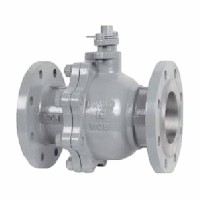
Threaded valves, on the other hand, are designed with male and female threads that allow for a relatively simple connection to pipes. They come in various types, such as ball valves, gate valves, and globe valves. The threading provides a mechanical seal that holds the valve in place and prevents leakage to a certain extent.
Advantages of Using Threaded Valves for Steam Applications
1. Ease of Installation
One of the most significant advantages of threaded valves is their ease of installation. Compared to welded or flanged valves, threaded valves can be installed with basic tools. A skilled technician with a wrench can quickly connect and disconnect threaded valves, which is especially beneficial in situations where time is of the essence, or in smaller steam systems where access might be limited.
2. Cost – Effectiveness
Threaded valves are generally less expensive than their welded or flanged counterparts. The manufacturing process of threaded valves is simpler, which reduces production costs. For small – scale steam applications or projects with tight budgets, threaded valves offer an economical solution without sacrificing too much in terms of performance.
3. Flexibility
Threaded valves provide a certain degree of flexibility. They can be easily removed and replaced if there is a need for maintenance or if the valve has failed. This is particularly useful in systems where components need to be regularly inspected and serviced.
Limitations and Risks of Using Threaded Valves for Steam Applications
1. Leakage Risk
The threaded connection is a potential source of leakage in steam applications. High – temperature steam can cause thermal expansion of the valve and the connecting pipes. If the thermal expansion coefficients of the valve and the pipe material do not match well, it can lead to loosening of the threaded connection over time, resulting in steam leakage. Moreover, the vibrations associated with steam flow can also contribute to the loosening of the threads.
2. Pressure and Temperature Limitations
Threaded valves have limitations in terms of the maximum pressure and temperature they can withstand. As the pressure and temperature of steam increase, the mechanical stress on the threaded connection also increases. In high – pressure and high – temperature steam applications, the threaded connection may not be able to provide a reliable seal, and there is a risk of the valve being damaged or even failing catastrophically.
3. Corrosion and Erosion
Steam can be corrosive, especially if it contains impurities such as dissolved oxygen or carbon dioxide. The threaded parts of the valve are more vulnerable to corrosion compared to the body of the valve. Erosion can also occur due to the high – velocity steam flow, which can wear away the threads and reduce the integrity of the connection.
Considerations for Using Threaded Valves in Steam Applications
1. Material Selection
The choice of material for threaded valves in steam applications is crucial. Valves made of materials with high resistance to corrosion and erosion, such as stainless steel or brass, are preferred. Stainless steel offers excellent corrosion resistance, while brass is a good conductor of heat and can handle moderate steam conditions. It’s also important to ensure that the material of the valve and the connecting pipe are compatible in terms of thermal expansion and corrosion resistance.
2. Pressure and Temperature Ratings
Before selecting a threaded valve for a steam application, it’s essential to determine the operating pressure and temperature of the steam system accurately. The valve should have a pressure and temperature rating that exceeds the maximum expected values in the system. This ensures that the valve can operate safely and reliably under normal and abnormal conditions.
3. Installation and Maintenance
Proper installation is key to the performance of threaded valves in steam applications. The threads should be clean and free of debris, and a suitable thread sealant should be used to prevent leakage. During installation, the valve should be tightened to the correct torque to avoid over – tightening or under – tightening. Regular maintenance, including inspection of the threads for signs of corrosion, erosion, and loosening, is also necessary to ensure the long – term reliability of the valve.
Real – World Applications and Case Studies
In some small – scale steam applications, such as steam humidifiers in office buildings or small – batch food processing equipment, threaded valves have been used successfully. For example, a local bakery uses threaded ball valves in its steam – based dough – proofing system. The moderate steam pressure and temperature in the system, combined with proper material selection and regular maintenance, have allowed the threaded valves to perform well for several years.
However, in large – scale industrial steam applications, such as power generation plants or large chemical refineries, threaded valves are typically used only in low – pressure and low – temperature branches of the system. In high – pressure and high – temperature sections, welded or flanged valves are more commonly used due to their superior sealing performance and mechanical strength.
Conclusion
In conclusion, threaded valves can be used for steam applications, but with certain limitations and considerations. They offer advantages such as ease of installation, cost – effectiveness, and flexibility, but also come with risks such as leakage, pressure and temperature limitations, and corrosion/erosion. As a threaded valve supplier, I always emphasize the importance of proper material selection, accurate pressure and temperature rating assessment, and correct installation and maintenance when using threaded valves in steam systems.

If you are considering using threaded valves for your steam application or have any questions about valve selection, installation, or maintenance, I invite you to reach out for a detailed discussion. We have a team of experienced engineers who can provide professional advice and solutions tailored to your specific needs. Let’s work together to ensure the safe and efficient operation of your steam system.
References
- ASME B31.1: Power Piping Code
- API Standard 600: Steel Gate, Globe, and Check Valves
Check Valve Note: The ASME B31.1 code provides design, fabrication, and inspection requirements for power piping systems, which is highly relevant to steam applications. The API Standard 600 sets standards for the design and manufacture of steel gate, globe, and check valves, which are commonly used in the oil and gas industry and other industries where steam may be present.
Xiongxiang Valve Group Co., Ltd.
As one of the most professional threaded valve manufacturers and suppliers in China, we’re featured by quality products and good price. Please rest assured to wholesale cheap threaded valve for sale here from our factory. Contact us for more details.
Address: Building 1, No.306, 12th Binhai Road, Jinkai District, Wenzhou City, Zhejiang Province, China
E-mail: info@xiongxiangvalve.com.cn
WebSite: https://www.steelvalvegroup.com/
