If you’ve ever spent time around horses, you know a good stall is more than four walls and a roof. It’s a horse’s home—their safe space to rest, eat, and recover after a long ride, and it’s where you’ll spend countless hours mucking, grooming, and connecting with your animal. As someone who’s been designing and supplying horse stalls for over a decade, I’ve seen first-hand how a well-decorated (yes, decorated) stall can make a huge difference for both horses and their humans. Too often, people cut corners on stall setup, focusing only on durability and price without considering what actually keeps a horse comfortable, safe, and happy. Today, I’m walking through the practical, science-backed steps to decorate a horse stall that works for everyone—no fancy frills, just smart choices you’ll thank yourself for later. Horse Stalls

First, let’s start with the foundation: the floor. This is non-negotiable. A horse spends 12 to 16 hours a day lying down, and a bad floor can lead to chronic issues like arthritis, hoof abscesses, or even injuries from slipping. I’ve heard so many horror stories of owners who saved a few bucks on concrete or thin stall mats, only to end up with vet bills that cost way more than the upfront savings. The best stall floors balance drainage, traction, softness, and ease of cleaning. Let’s break it down. Concrete is a common base, but it’s hard and cold. If you go concrete, you have to add a layer of bedding, but even then, the surface can wear down over time. Some of my clients swear by interlocked rubber stall mats—they’re thick enough to cushion joints, provide solid traction when the horse is standing, and you can hose them down easily. I always recommend mats that are at least ¾ inch thick, but for larger horses (over 1,200 pounds) or older horses with joint pain, go for 1.5 inches. Another option is sand or compacted gravel, but those need regular raking and maintenance, and if they get too wet, they can become muddy or hard to muck. Whatever you choose, make sure the floor slopes slightly—about 2%—toward a drain. Puddles in a stall are a recipe for thrush, a painful bacterial infection that affects horse hooves. I learned this early on: a stall that holds water is a stall that causes problems, so that slope isn’t just a suggestion, it’s a must.
Next, the walls. When people hear “decorate a stall,” they think of paint or wallpaper, but the real purpose of stall walls is safety and durability. Horses are curious, and they can be destructive—kicking, chewing, or rubbing their sides against the walls. Chewing can lead to colic, a life-threatening condition from ingesting wood or chemicals, and kicking can cause broken legs or injuries to the horse or the handler. That’s why I never recommend wood for stall walls, especially unfinished or pressure-treated wood. Pressure-treated wood has chemicals that are toxic if a horse chews it, and regular wood splinters easily, which can cause mouth injuries. The best wall material is galvanized steel— it’s tough, chew-resistant, and easy to wipe down. I’ve installed steel walls for clients with kickers, and not a single one has had a wall damaged or a horse injured from kicking since. If you want to add a little personality, you can paint the steel walls—just use a non-toxic, high-gloss paint that’s made for livestock. Matte paint can be harder to clean, and bright colors might stress some horses, so stick to neutral shades like light gray, beige, or soft blue. Another wall tip: leave at least 6 inches between the top of the walls and the roof structure. Horses like to nip at each other over stall doors, and if walls are too high, they can get frustrated. It also helps with ventilation, which we’ll talk about next.
Ventilation is probably the most overlooked part of stall “decoration” (yes, it counts as part of making the space livable). Horses breathe a lot of dust, ammonia from urine, and mold from wet bedding, all of which can lead to respiratory issues like heaves, a chronic condition that makes it hard for them to breathe. A well-ventilated stall keeps the air fresh, reduces moisture, and keeps odors down—something that also makes it better for you when you’re mucking in the morning. The key is cross-ventilation: have an inlet near the bottom of one wall (like a gap under the stall door) and an outlet near the top of the opposite wall (a window or a vent in the roof). Avoid placing vents or windows directly over where the horse’s head is, especially in cold weather—you don’t want a horse breathing cold, dry air all winter. For stalls in damp climates, add a small fan near the ceiling, just make sure it’s out of the horse’s reach. I also recommend not closing all the gaps around the stall door. A solid door that fits tight might keep predators out, but it traps stale air in summer. A door with horizontal slats or a gap at the top and bottom lets air flow without letting drafts hit the horse.
Now, the bedding—this is where you can add comfort and a little style, if you want. Bedding is not just something to soak up urine; it’s the soft layer between your horse and the hard floor, and it affects everything from hoof health to how well they sleep. The most common types of bedding are straw, shavings, pellets, and sand, and each has pros and cons. Straw is cheap and easy to replace, but it doesn’t absorb odors well, and horses might try to eat it if they’re bored. Wood shavings (aspen is best, because it’s dust-free and non-toxic) absorb moisture well, are easy to muck, and most horses won’t eat them. I recommend aspen shavings for most stalls—they’re affordable, low-dust, and soft enough for a horse to lie on comfortably. Avoid pine or cedar shavings, though—they have aromatic oils that can irritate a horse’s respiratory system, especially if they have heaves. Pellet bedding is compressed wood that expands when wet, so it’s very absorbent, but it can get hard if it’s not turned regularly, and it’s more expensive than shavings. Sand is great for horses with hoof problems, but it’s heavy, messy to muck, and can get into the horse’s coat. Whatever bedding you choose, aim for a depth of 4 to 6 inches for shavings or straw, and 2 to 3 inches for pellets. Change the bedding completely at least once a week, and spot-clean wet or soiled areas every day. That’s a rule I drill into every client: a clean stall is a happy horse stall, no matter how nice it looks.
Once you have the basics sorted, it’s time for the little touches that make the stall feel like home. These are the things that don’t affect safety or health, but make the space more functional and pleasant for both you and your horse. First, the feeder and water bucket. You want these placed at a height that’s comfortable for your horse—about at their shoulder level. If they’re too low, horses have to crane their necks to eat, which can lead to neck strain or improper digestion (colic can be caused by eating with their head too low). Too high, and they might spill feed or water, especially if they’re a messy eater. I recommend hanging feeders from the stall wall with sturdy brackets, not putting them on the floor. This keeps feed clean, and makes it easier to refill without bending over. For water, use a heavy-duty bucket or a automatic waterer. Automatic waterers are more convenient—they keep water fresh, and you don’t have to refill it twice a day—but make sure it’s installed at the right height and inspected regularly for clogs or leaks.
Another touch that makes a big difference is a hay rack or hay net. Feeding hay on the floor is messy, and it can lead to colic if horses eat too much too fast. A hay rack placed at shoulder level slows down eating, which is better for their digestive system (horses are designed to eat small amounts of hay throughout the day, not big meals twice a day). If you have a horse that chews on anything it can reach, a hay net with small holes (about 1.5 inches) is a great alternative—it stretches feeding time and keeps them occupied, which reduces boredom and unwanted chewing. Just make sure the hay net is hung high enough that the horse can’t get their head stuck in it—about 4 feet off the ground, so they have to stretch up to reach the hay.
For the final “decor” step, keep it simple and safe. You might be tempted to add horse toys, like old tires or balls, but make sure they’re sturdy and don’t have small parts that a horse could swallow. Some horses love hanging jingle bells, but I’ve heard of horses getting their hooves caught on them, so always supervise new toys until you know how your horse interacts with them. Avoid hanging anything too high or too low, and don’t overcrowd the stall. A 12×12 foot stall is the minimum for a full-sized horse, but if your horse is over 1,400 pounds, or spends a lot of time in the stall (like during recovery), go for a 12×16 foot stall. Too much stuff in a small stall makes it hard to move around, and increases the risk of injury during grooming or feeding.
Wait, let’s talk about something I see all the time: people focusing on “decor” that’s just for looks, not function. Last year, I worked with a client who painted her stall walls bright pink and added fancy wallpaper borders, but she used pressure-treated wood for the walls and kept the bedding depth at 2 inches. By month three, her horse had thrush from the standing water in the stall, and she had to spend twice as much on vet bills as she spent on the wallpaper. That’s a mistake I always warn against—prioritize function over flash. A stall that’s safe, comfortable, and easy to clean is always going to look better than one that’s pretty but dangerous for your horse.
Another science-backed tip: lighting. Horses are diurnal, meaning they need 12 to 16 hours of light a day to maintain a healthy circadian rhythm, digestion, and coat health. If your horse is stalled during the day because of work or weather, add a LED light in the stall that turns on when it’s dark, with a timer. Bright, white light is best—avoid dim yellow bulbs, which can disrupt their sleep. Natural light is even better, so if you can, add a window or a clear panel in the upper part of the stall, away from where the horse can kick it. Just make sure the window has a screen or a grille to keep predators out, and it’s not drafty in cold weather.
I’ve been in this business long enough to know that every horse is different. A young, energetic horse might need more space to move around in their stall, while an older horse with arthritis might need softer bedding and lower feeders. A horse that’s a cribber (a horse that chews on wood or sucks air) needs stall walls that are extra tough, or I recommend adding a cribbing attachment to the stall door. That’s why when we supply horse stalls, we never do a one-size-fits-all approach—we work with owners to adjust the setup to their horse’s specific needs. That’s the difference between a stall that’s just a space and a stall that works for you and your horse.
If you’re getting ready to set up or redecorate a horse stall, remember this: the best stalls balance safety, comfort, and practicality. Skip the toxic paint, the flimsy wood, and the overcrowded toys. Focus on a solid, non-slip floor, tough but safe walls, good ventilation, high-quality bedding, and feeders and water at the right height. Add a few small touches that keep your horse occupied and make your job easier, and you’ve got a stall that you’ll both love coming back to every day.
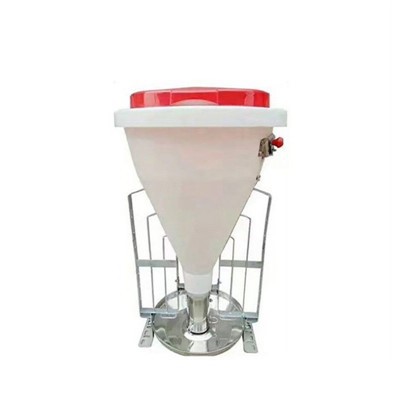
If you’re in the market for durable, customizable horse stalls that fit your needs, we’re here to help. Whether you need a small stall for a pony, a large one for a draft horse, or custom features for a horse with special needs, our team can work with you to design a space that’s safe, functional, and perfect for your animal. Reach out to our team to discuss your stall requirements, and we’ll help you every step of the way.
Cattle Stall Dividers References
- American Association of Equine Practitioners. (2022). Stable Design and Management for Equine Health and Safety.
- The Horse. (2021). Bedding Choices for Horse Stalls: A Guide to Types and Best Practices.
- Equine Veterinary Journal. (2019). Effects of Stall Floor Surfaces on Equine Locomotor Health and Comfort.
- University of Kentucky College of Agriculture. (2020). Ventilation and Air Quality in Horse Stalls: Key Considerations for Respiratory Health.
Hebei Honde Industrial Trade Imp & Exp Co., Ltd.
With abundant experience, we are one of the most professional horse stalls manufacturers and suppliers in China. We warmly welcome you to wholesale high quality horse stalls for sale here from our factory. We also accept customized orders.
Address: Room 1904, Yintai International Building, No.36 Guang’an Street, Shijiazhuang, Hebei, China
E-mail: Helen@hbhonde.com
WebSite: https://www.hondelivestocksupply.com/
