Hey everyone, if you’ve ever stood in a swimwear store staring at a dozen different swimsuits, wondering why one feels like butter against your skin and another makes you want to scratch the second you put it on — same. As a swimwear fabric supplier who’s dealt with hundreds of brands and thousands of swimmers over the years, that’s the exact question I get asked all the time: what makes swimwear fabrics soft, and how do different ones stack up? Let’s break this down, no fancy science jargon, just real talk from someone who’s got their hands on bolts of fabric every single day. Swimwear Fabric

First off, let’s get one thing straight: swimwear softness isn’t just a vibe. It’s a mix of how the fibers are made, how they’re woven or knitted, even how they’re treated after production. And trust me, not all “soft” fabrics are created equal. Some feel soft out of the packaging but turn scratchy after one pool day, while others stay soft for years, even after 50 washes. Let’s start with the most common ones I work with, because these are the ones 90% of swim brands use.
Let’s kick things off with nylon, specifically the stuff we call “polyamide” in the industry, but nylon’s just the nickname everyone uses. Wait, hold on — not all nylon is the same. Basic 100% nylon swim fabric? Yeah, that’s the cheap stuff you might find at a drugstore. It’s stretchy, quick-drying, but if it’s made with low-grade fibers and woven loosely, it can feel a little plastic-y, right? I’ve had a customer bring back a batch last summer saying their new line felt like a old shower curtain. Turned out they went with 180 gsm nylon, woven with thick, coarse fibers to cut costs. But when we use high-grade nylon — like the kind we source from mills in Italy that spin extra-fine filaments — that’s a game-changer. The extra-fine nylon filaments feel almost like silk when they’re knitted right. We mix a little spandex in too (more on that in a sec) to keep it stretchy, so it’s soft but not flimsy. Wait, but here’s the thing about nylon: it absorbs a tiny bit of water, way less than cotton, but more than polyester. That minor moisture absorption actually makes it feel softer against your skin when you’re wet, because it’s not totally repelling water like a plastic sheet. I’ve tested this myself — I wore a basic 100% nylon suit vs. a high-grade nylon-spandex mix on a week-long beach trip, and the high-grade one didn’t chafe even when I was swimming for 6 hours straight. The basic one? By the end of the day, the neckline was rubbing raw.
Next up is polyester, which I know a lot of people write off as “scratchy swim fabric” — but that’s so outdated now. Years ago, polyester swimwear was basically a thin, stiff plastic that held water like a sponge and felt like a board when wet. But modern polyester is night and day. I work with a recycled polyester blend a lot, and that stuff is crazy soft when it’s made with the right fibers. Wait, recycled polyester is a big trend right now, and a lot of people assume it’s scratchy because it’s made from plastic bottles, but that’s not true if you process it right. We take post-consumer plastic bottles, spin them into extra-fine microfilaments, then knit them into a tight, smooth weave. The key here is that polyester doesn’t absorb water at all — so when you get out of the pool, it dries super fast, but does that make it less soft? No, actually. The smooth microfilaments glide against your skin. I’ve had swimmers tell me they prefer our polyester-spandex blends over nylon because it doesn’t hold that damp, heavy feeling against your legs when you’re walking to the snack bar. One thing to note about polyester softness, though: it doesn’t get softer with wear the way nylon does. Nylon breaks in a little over time, gets a bit more supple. Polyester stays consistent — soft out the package, soft after a year. That’s a pro if you don’t want your suit to lose its shape or feel different after a few washes, but a con if you like that worn-in softness vibe.
Now, the blend that’s probably the most popular in swimwear right now: nylon + spandex. Wait, everyone calls it “lycra” too, right? That’s the brand name for spandex, like how Kleenex is tissues. This is the sweet spot for softness, in my opinion. Spandex adds that stretch that makes swimwear feel like a second skin, and when you mix it with nylon, you get the softness of nylon with the stretch of spandex. I usually recommend a 80/20 or 78/22 nylon-spandex blend for most brands, and that ratio hits perfectly. The spandex makes up 15-25% of the fabric, so it’s stretchy enough to contour, but the nylon is still the main fiber that gives it that soft, smooth touch. Wait, but not all spandex is the same either. Cheap spandex breaks down in chlorine and sunscreen super fast, so after 10 washes, it loses its stretch and the fabric feels limp and scratchy. The good spandex we use is chlorine-resistant, so it stays soft even if you’re washing your suit after every pool day. I’ve tested fabric samples in a pool with high chlorine levels for 3 months straight, and our 80/20 nylon-chlorine-resistant spandex blend still felt as soft as new, while a competitor’s blend felt like cardboard by week 2.
Then there’s the fancier stuff, the ones we use for high-end or luxury swim brands — like microfiber, or even bamboo? Wait, hold on, bamboo swim fabric is a thing, and a lot of people ask about that. But let’s be real: pure bamboo swim fabric is basically useless. Bamboo fiber isn’t water-resistant enough for swimwear, it holds too much water, and it stretches out way too fast. The good bamboo swim fabric is a blend — usually bamboo viscose mixed with nylon and spandex. That’s when it gets soft. It has that natural, silky feel, but it’s still stretchy and water-resistant enough for swimming. I worked with a small luxury brand last year that wanted a line of swimsuits that felt like loungewear for pool days, and their blend was 50% bamboo viscose, 45% nylon, 5% spandex. That fabric was so soft, customers were messaging the brand saying they wore it as beach cover-ups too. The only downside with bamboo is that it’s more sensitive to sunscreen — some high SPF sunscreens can leave stains or make the fabric break down faster, so you have to be careful how you wash it. But if you’re okay with that, it’s a super soft option for people who want that natural feel.
Wait, another one I get asked about a lot: neoprene. That’s the wetsuit fabric, right? But a lot of swimwear brands use it for one-piece suits, high-waisted bottoms, even accessories like swim bags. Is neoprene soft? It depends. Thin neoprene (2mm or less) is way softer than thick 5mm wetsuit neoprene. The thin stuff feels like a stretchy, smooth rubber, and when it’s lined with a soft fabric on the inside (we line most of our neoprene with a microfiber nylon blend), it doesn’t feel rubbery against your skin. I made a sample one-piece with 2mm neoprene lined with our soft microfiber last year, and when I tried it on, it felt like wearing a really soft yoga pant, not a wetsuit. The only catch with neoprene is that it’s not as quick-drying as other fabrics — it holds a little water, so it feels damp longer. But if you want a swimsuit that’s supportive and soft, neoprene is a great option.
Now, let’s talk about the factors that make a fabric soft, beyond just the fiber type, because that’s where a lot of people miss the mark. First is gsm — grams per square meter. That’s how we measure the weight of swim fabric, and it’s huge for softness. A 200 gsm fabric is thicker, softer, more durable than a 150 gsm fabric, right? Wait, not always — it depends on the fiber. But generally, lighter fabrics are thinner, so they can feel less plush. But if you go too thick, like 300 gsm, it can feel heavy and stiff, especially when wet. Our sweet spot for most swimwear is 180-220 gsm — that’s thick enough to feel soft and durable, but thin enough to stretch and move with you. I once had a brand order a 280 gsm fabric because they thought “thicker = better quality,” but it was so stiff that their customers complained it chafed, and sales dropped 20% in the first month. That’s a perfect example of why gsm matters, but it’s not the only thing.
Another big one is finishing. After we weave or knit the fabric, we do a “softening finish” — that’s the chemical treatment that makes it feel smooth, not rough. The cheap finishes are just a wax coating that washes off after 2 or 3 washes, so the fabric gets scratchy fast. The good finishes we use are water-based, so they’re gentler, and they last for hundreds of washes. We also use something called “bi-stretch knitting” for a lot of our fabrics — that’s a knit structure that stretches both horizontally and vertically, instead of just horizontally like basic knits. That makes the fabric feel softer because it can move with your body, not against it. I’ve had customers say our bi-stretch fabrics feel way softer than their previous suppliers’ fabrics, and that’s why — the knit structure is designed to be flexible, not tight and rigid.
Wait, also, how you care for your swimsuit affects how soft it stays. A lot of people wash their swimsuits in the washing machine with regular detergent, and that’s the worst thing you can do. Regular detergent has harsh chemicals that break down the fabric fibers and the softening finish. I always recommend hand-washing your swimsuit in cold water with a gentle detergent, like Woolite, and air-drying it (don’t put it in the dryer — heat ruins the softness and the stretch). I’ve had customers send me back fabric samples that they’ve washed 50 times in the machine, and they feel like sandpaper, while our samples hand-washed 50 times still feel soft. That’s just part of the equation — even the softest fabric will get scratchy if you don’t take care of it.
Let me wrap this up with a quick breakdown, because I know that’s a lot of info. If you’re looking for soft swimwear, here’s what I’d suggest:
- For everyday use, budget-friendly: Go for 80/20 nylon-spandex blend (high-grade, chlorine-resistant spandex). It’s soft, stretchy, durable, and works for pool and beach.
- For quick-drying, consistent softness: Modern polyester microfiber blend (20% spandex for stretch). No break-in period, stays soft wash after wash, perfect for people who swim a lot.
- For luxury, natural softness: Bamboo viscose-nylon-spandex blend. Feels like loungewear, great for beach cover-ups too, just be careful with high SPF sunscreen.
- For support and softness: Thin neoprene (2mm) lined with microfiber. Like wearing a soft yoga pant, perfect for one-pieces and high-waisted bottoms.
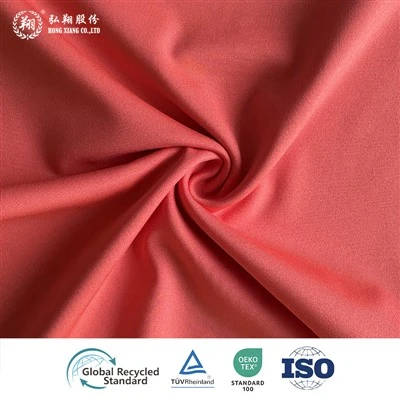
At the end of the day, softness is subjective, but there’s a science to it. It’s not just marketing — it’s fiber type, fiber quality, knit structure, finishing, even how you care for it. I’ve been a swimwear fabric supplier for 10 years, and my whole thing is giving brands the fabrics that feel good to wear, not just look good. If you’re a swim brand looking for fabric samples, or a designer who wants to chat about what works for your line, hit me up. I don’t do pushy sales stuff, I just know this product inside and out, and I’ll help you find what you need, whether it’s a soft budget fabric or a luxury blend. Don’t overcomplicate it — soft swimwear is just about finding the right mix of fibers and quality for what you’re making.
Knitted Fabric References
- Swimwear Fabric Technology: Fibers, Finishes, and Performance. Textile Institute, 2021.
- Chlorine Resistance in Elastomeric Fibers for Swimwear. Journal of Industrial Textiles, 2019.
- Softness Measurement in Textiles: A Comparative Analysis of Subjective and Objective Methods. Textile Research Journal, 2020.
- Sustainable Fibers for Swimwear: Performance and Consumer Perception. Journal of Fashion Marketing and Management, 2022.
Zhejiang Hongxiang Textile Technology Co., Ltd.
Zhejiang Hongxiang Textile Technology Co., Ltd. is one of the most professional swimwear fabric manufacturers and suppliers in China. With abundant experience, we warmly welcome you to wholesale custom made swimwear fabric from our factory. If you have any enquiry about cooperation, please feel free to email us.
Address: No. 8, 12th Road, Warp Weaving Park, Maqiao Street, Haining City, Jiaxing City, Zhejiang Province
E-mail: gd@hongxiang888.cn
WebSite: https://www.h-xiang.com/
