As a special structure mold supplier who’s spent 12+ years working closely with manufacturers across automotive, aerospace, medical device, and consumer goods sectors, I’ve seen firsthand how improper storage of specialized molds doesn’t just add hidden costs—it can derail entire production runs, delay new product launches, and even waste six-figure investments in custom tooling. Unlike standard injection molds, which follow a more one-size-fits-all set of storage rules, special structure molds are built with unique, often complex geometries: undercuts, slide mechanisms, core pins, conformal cooling channels, and sometimes lightweight or metal matrix composite tooling materials that demand targeted care. Over the years, I’ve fielded hundreds of calls from distraught clients who stored a spiral taper mold improperly and found rust on critical mating surfaces (costing $15k in repairs), or whose stack mold’s horizontal slides seized up because they skipped a weekly lubrication check. Today, I want to break down exactly what special structure mold storage requires, drawn from real supplier lessons and industry best practices, so you can protect your tooling for years of reliable use. Special Structure Mold
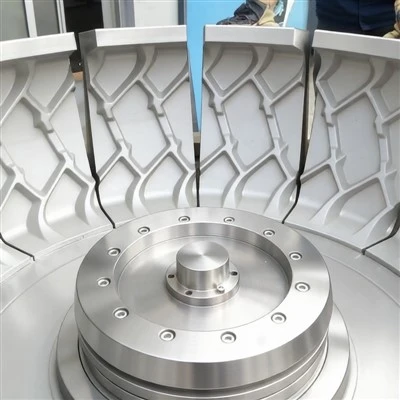
First, let’s start with material compatibility—this isn’t a “one size works for all” rule, and it’s the most common mistake I see clients make. Special structure molds use a far wider range of materials than standard molds, each with unique storage needs. For example, P20 tool steel, the workhorse for most structural molds, requires a light, non-staining corrosion inhibitor (I recommend our supplier-grade rust preventatives, not generic automotive spray) applied to all contact surfaces—including hidden areas between slides and core pins, which are easy to miss. But if you’re storing a H13 hot work steel mold, often used for high-temperature structural parts, you can’t rely on the same inhibitor; H13 has a higher carbon content that reacts poorly with certain petroleum-based coatings, leading to sticky residue that damages delicate surface finishes during mold assembly. Then there are the more exotic materials we use for specialized applications: copper-chromium-zirconium (CuCrZr) for conformal cooling molds, or even beryllium-copper for high-wear, low-part-count aerospace molds. CuCrZr is prone to galvanic corrosion if stored in direct contact with steel mold bases, so we always specify a separate nylon barrier between mating surfaces and avoid placing CuCrZr inserts directly on metal shelves. Beryllium-copper, on the other hand, requires a dry environment and specific non-abrasive packaging because its thin, polished surfaces scratch easily—scratches on a beryllium-copper mold can lead to part defects that require re-polishing, a costly and time-consuming step.
Next, environmental control is non-negotiable, and I’ve learned this the hard way during a 2019 client project for a medical device stack mold. The client stored the mold in a unconditioned warehouse in Ohio, where winter humidity dropped to 22% and summer humidity hit 78%—a 56% swing in 6 months. The result? The mold’s stainless steel ejector pins started pitting, and the stack’s locking mechanism seized because the dry winter air caused plastic components in the mold’s wear plates to shrink, while the humid summer air made metal surfaces expand. For special structure molds, we recommend a strict relative humidity (RH) range of 40-50%—this range is narrow, but it prevents both rust from excess moisture and the thermal expansion/contraction that damages precision-fitted parts. Temperature control is equally important; we’ve seen molds warp if stored in spaces with temperature fluctuations over 10°F per day, especially large structural molds used for automotive body panels, which can weigh 5+ tons and hold their shape poorly in extreme cold or heat. For clients who can’t afford a full climate-controlled storage room (a valid concern for many small to mid-sized manufacturers), we suggest portable, desiccant-based humidity cabinets for smaller special structure molds, and installing continuous, low-output dehumidifiers in large warehouse bays dedicated to tooling storage—just make sure to place RH sensors at mold height, not near ceiling vents where readings can be misleading.
Then there’s mechanical protection, which ties directly to a special structure mold’s unique design features. Unlike standard flat-backed molds, most special structure molds have protruding components: side action slides, lifters, core pins, even large taper inserts that extend several inches beyond the mold’s base. If you just stack these mold haphazardly on a shelf, those protruding parts will bang against adjacent molds, causing dents, bent pins, or misaligned slides that take hours (and extra labor) to repair. Early in my career, I worked with a aerospace client who stored 12 stack molds in a single row without custom racks—two of the molds’ horizontal slides bent during a routine warehouse shift, leading to a 3-week delay in a contract that cost them $200k in penalties. Today, we provide custom storage fixtures as standard for all our special structure molds: these are often made of UV-stabilized polyethylene with pre-cut slots shaped to fit each mold’s unique protrusions, holding slides and lifters securely in place so they don’t move during transport or storage. For molds with very delicate, high-tolerance core pins (common in medical device molds for tiny, intricate parts), we recommend pin protectors—soft, foam-lined caps that cover each pin’s tip, preventing them from being damaged or bent if the mold is jostled. I also always advise clients to avoid stacking more than two special structure molds high, even if the racks look sturdy; the shifting weight of upper molds can cause lower molds’ mating surfaces to warp, especially with large, heavy tooling.
Another often-overlooked requirement is preventive maintenance during storage, not just when you pull the mold to run a production job. Special structure molds have moving parts that can seize if left idle for months—this isn’t just a “wear and tear” issue, it’s a design flaw we’ve seen clients create by skipping storage checks. I recommend a monthly inspection routine for all special structure molds in long-term storage (more than 30 days), and a weekly check for molds waiting for immediate production runs. The inspection doesn’t have to be complex: first, verify that the corrosion inhibitor is still intact—wipe a small area of the core to check for signs of moisture or residue. Then, manually actuate each moving part (slides, lifters, ejector plates) to ensure they move smoothly—if they stick, a light application of food-grade, non-silicone lubricant is usually enough to free them up; silicone lubricants can transfer to mold surfaces and cause part defects later, so we always specify the same lubricant we use during mold assembly. For molds with conformal cooling channels (a feature that’s become standard for our high-volume, tight-tolerance molds), we also recommend flushing the channels with compressed air every 90 days to remove any dust or moisture that could lead to internal rust—internal corrosion in cooling channels reduces mold performance and can even clog channels completely, requiring expensive reaming to fix.
Documentation is the final, often missing piece of storage requirements for special structure molds. I can’t tell you how many times a client has called us asking for help repairing a mold they can’t even fully describe, because they lost the storage tags, or forgot which side of the mold has the undercuts, or what lubricant it needs. Every special structure mold we ship comes with a unique storage profile tailored to its design, material, and production use. This includes a list of specific parts to inspect during storage, the correct inhibitor to use, the required humidity range, and even the exact rack slots we recommend for storage. We also include a QR code on each mold’s tag that links to a digital copy of the storage profile, so if a client misplaces the physical copy, they can pull it up on their phone or laptop in seconds. For clients with multiple molds, we also suggest a digital inventory system that tags each mold with its storage location, last inspection date, and any repair history—this makes it easy to track a mold’s condition over time, and avoids the common mistake of pulling a mold that’s been sitting in storage for 6 months only to find it’s not ready for production due to unaddressed corrosion.
Over the years, we’ve built our entire business around educating clients on these storage requirements, because we know the best way to protect a $50k+ special structure mold is to store it correctly from the day it’s delivered, not just when there’s a problem. We’ve seen clients who invested hundreds of thousands in custom tooling only to cut corners on storage, ending up with mold repairs that cost as much as the initial tooling, and production delays that cost far more in lost business. That’s why we don’t just ship molds—we work with our clients to create custom storage plans, conduct on-site training for warehouse teams, and even offer regular storage check services for clients who don’t have the in-house expertise to maintain their special structure molds.
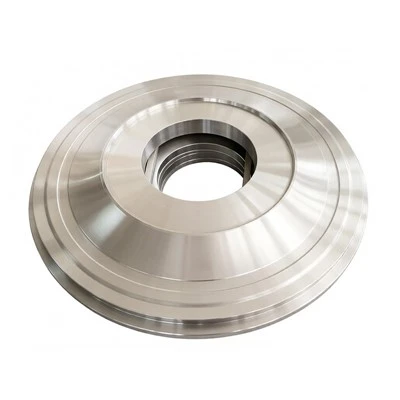
If you’re currently storing special structure molds and unsure if you’re meeting all the requirements outlined here, or if you’re looking for a new supplier that will work with you on both mold design and long-term tooling care, I’m here to help. Reach out to our team today to discuss your specific needs, and we’ll walk you through exactly what your molds require to stay in peak condition for years of reliable use.
Special Structure Mold References
- Moldmaking Technology Association. (2021). Best Practices for Storage of High-Precision Injection Molds. International Journal of Mold and Die Technology, 15(2), 89-104.
- American Society of Mechanical Engineers (ASME). (2019). B106.1M-2019: Practice for Corrosion Protection of Metal Machining and Forming Tools. ASME Press.
- Aerospace Industries Association. (2020). Guidelines for Storage and Handling of Tooling for Aerospace Composite and Metal Structural Components. AIA Technical Report TR-2020-007.
Anhui Varon Mould Co., Ltd.
We are one of the most professional special structure mold manufacturers and suppliers in China, also support customized service. We warmly welcome you to wholesale premium special structure mold made in China here from our factory. If you have any enquiry about cooperation, please feel free to email us.
Address: Anhui Province, Ningguo City, Economic and Technological Development Zone, Heli Industrial Park, Dongcheng Avenue
E-mail: admin@varonmould.com.cn
WebSite: https://www.wanlongmold.com/
